

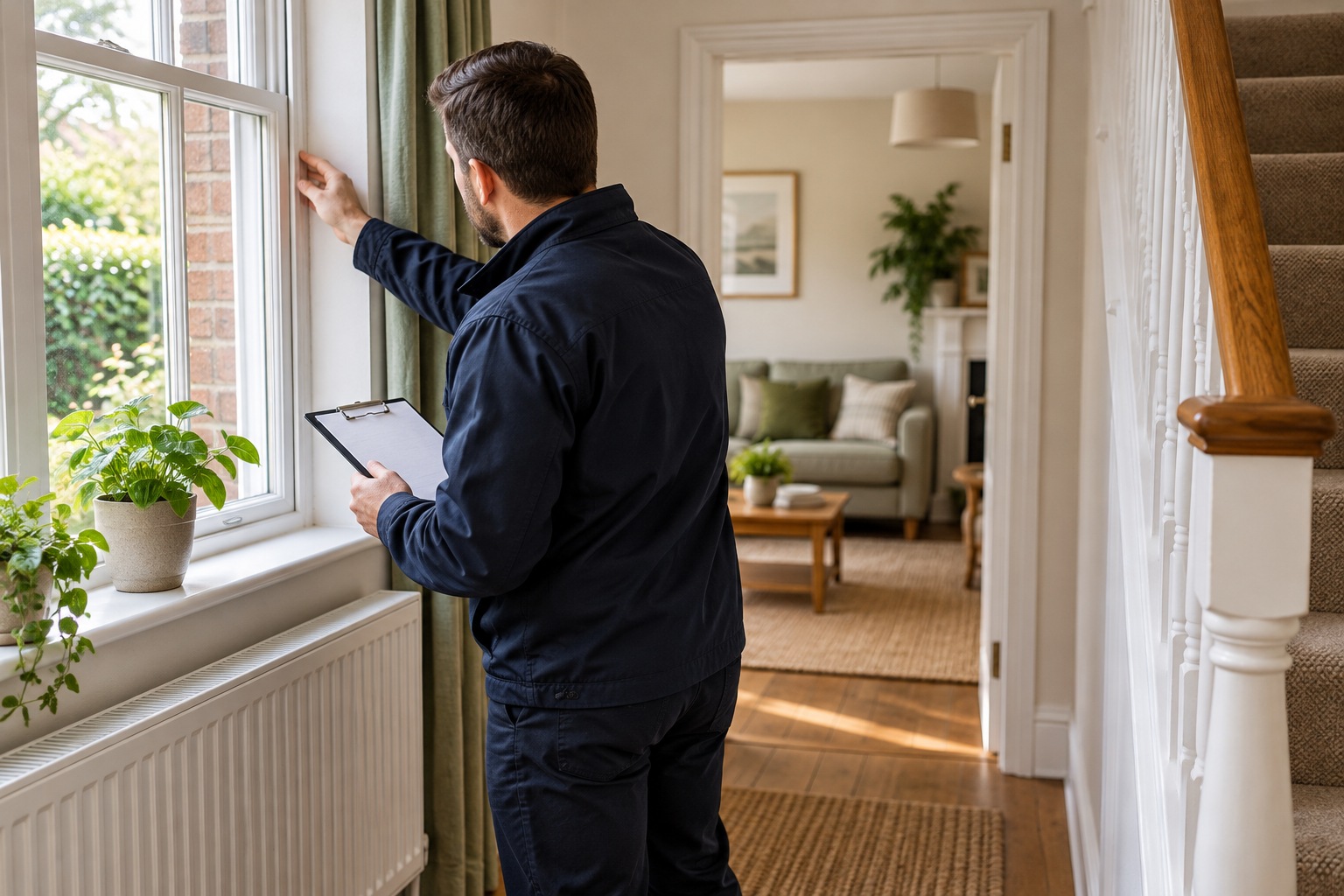
A loose stair rail, recurring mould and unreliable heating may look like separate maintenance jobs. The Housing Health and Safety Rating System, or HHSRS, looks at the harm housing conditions could cause and gives councils a way to assess the risk.
This guide is for private landlords in England. It explains the revised hazard framework and how to turn it into useful inspection and maintenance habits, without trying to replace a trained assessor.
Quick answer: HHSRS is the housing risk-assessment system used by local councils. England’s revised framework has 21 hazards. Councils must take appropriate enforcement action for Category 1 hazards and can act on Category 2 hazards. Landlords should understand the risks, keep properties in repair, investigate reported problems and retain clear records; they do not need to become trained HHSRS assessors.
What changed in England in 2026?
The government’s current consultation on private-sector Awaab’s Law confirms that the HHSRS changes took effect on 23 June 2026. Several overlapping hazards were combined, reducing the number from 29 to 21. The updated system also includes simpler assessment bands, baseline indicators and refreshed examples.
The landlord and agent guide was updated on 16 September 2026. Older summaries may still refer to 29 hazards. Use the revised England guidance for this framework, and do not assume the same changes apply elsewhere in the UK.
What does an HHSRS assessment measure?
An assessor looks for deficiencies in the property: problems with its design, condition, repair, maintenance or management. A deficiency may contribute to more than one hazard. For example, ineffective heating may contribute both to excess cold and to damp and mould.
The formal assessment considers the likelihood and potential severity of harm. A small-looking defect is not automatically a low risk, and a photograph alone cannot reliably establish a hazard category. The property’s layout, the circumstances and the assessment method all matter.
What are the 21 hazards?
The table below follows the terminology in the specialist landlord guide. The checks are practical prompts, not a scoring method or a complete inspection specification. The current government consultation also lists the 21 hazards, with some shorter names.
| Hazard | Practical check or next action |
|---|---|
| Damp and mould growth | Look for leaks, recurring damp patches and ineffective ventilation; investigate the cause of mould. |
| Excess cold | Check heating operation, insulation concerns and reports that rooms cannot be kept warm. |
| Excess heat | Consider overheating, shading and whether ventilation can be used safely. |
| Asbestos and manufactured mineral fibres | Seek competent advice about suspect or damaged materials; do not disturb them to investigate. |
| Indoor air pollutants | Check ventilation and arrange competent investigation of suspected combustion or chemical pollution. |
| Lead | Ask a competent professional about potential exposure from older paint or plumbing where relevant. |
| Radiation | Consider location-specific radon risks and appropriate testing or specialist advice. |
| Overcrowding and lack of living space | Review whether the layout and available space are suitable for the household. |
| Entry by intruders | Inspect external doors, windows and locks, while preserving safe escape routes. |
| Lighting | Check usable natural and artificial light, especially on stairs and circulation routes. |
| Noise | Take persistent noise reports seriously and consider defects in the building or its services. |
| Domestic hygiene | Check sanitation, waste arrangements, food preparation facilities and evidence of pests. |
| Water supply | Investigate unreliable supplies, leaks and water-quality concerns through appropriate specialists. |
| Falls on the level | Look for loose floor coverings, uneven surfaces and slippery bathroom areas. |
| Falls on stairs | Inspect steps, lighting, handrails and guarding. |
| Falls between levels | Check windows, balconies and changes in level for inadequate guarding. |
| Electrical hazards | Arrange competent attention to damaged wiring, fittings or reported faults. |
| Fire and explosions | Review fire precautions, escape routes and concerns about fuel or electrical installations. |
| Flames and hot surfaces | Consider burns and scalds from cooking, heating and hot-water arrangements. |
| Collisions, entrapment and ergonomics | Look at awkward layouts, trapping points and fittings that are difficult to use safely. |
| Structural collapse and falling elements | Arrange prompt professional assessment of instability, loose masonry or other falling materials. |
If a problem may present an immediate danger, prioritise making people safe and obtaining appropriate emergency or professional help. Do not wait for a routine inspection or a software reminder.
What is the difference between Category 1 and Category 2?
| Category | Meaning for council action |
|---|---|
| Category 1 | The higher-risk category. The council has a duty to take appropriate enforcement action. |
| Category 2 | A lower assessed score. The council has discretion to act; it does not mean the problem can safely be ignored. |
The government’s explanation of existing housing duties distinguishes these enforcement responsibilities. An assessor determines the score using the formal method. Landlords should not label a reported problem “only Category 2” to postpone investigating it.
Do landlords need to carry out their own formal assessment?
No. The specialist guide says landlords do not need to train as HHSRS assessors. They do need enough familiarity to recognise risks and manage their properties responsibly.
A practical inspection can identify matters requiring attention, but it is not an HHSRS certificate. Where a concern falls outside your competence, arrange an appropriately qualified inspection. Electrical, gas, structural and suspected asbestos problems are examples where guessing is particularly unhelpful.
For planning routine visits, see our guide to how often a landlord should inspect a rental property. Arrange access appropriately and use tenant reports between visits; an inspection schedule is not a reason to leave a newly reported defect until later.
How can baseline indicators help?
The revised guide includes baseline indicators: prompts about reasonable property standards. They can help you organise a self-check and identify deficiencies that need further assessment.
Use them as a working checklist, not a compliance guarantee. Some properties need alternative or additional measures, and meeting a baseline does not remove every risk. Keep notes about what you checked, anything you could not inspect and the follow-up required. A checklist with every box ticked is less useful than an accurate record of unresolved concerns.
What happens if the council inspects?
A council may inspect, assess hazards and choose the appropriate enforcement route. Options can include improvement notices, restrictions on use and emergency measures in serious cases. The appropriate action depends on the hazard and the legal conditions for that power.
If you receive a notice or order, read the full document promptly. Identify the work required, dates, any restrictions and appeal information, and get professional advice if you are unsure. Keep communications and evidence of completed work. Do not assume sending a contractor’s invoice automatically closes the council’s case.
A practical inspection-to-repair checklist
- Record the concern. Note when it was reported, the location and the tenant’s description. Keep relevant photos with permission.
- Assess urgency. Obtain competent advice where needed and act on immediate risks promptly.
- Arrange the next step. Record access arrangements, the person responsible and the agreed work.
- Follow up. Check whether the cause was addressed, rather than merely whether a visit happened.
- Keep the history. Save inspection notes, correspondence, reports and completion evidence together.
For example, if mould returns after cleaning, keep the earlier report and investigate why it returned. A closed job entry should not obscure a continuing problem. Ask the tenant whether the issue has recurred and obtain further advice where necessary.
How is HHSRS different from Awaab’s Law?
HHSRS already provides a system for assessing housing hazards. The detailed extension of Awaab’s Law to private rented tenancies is being consulted on; proposed requirements should not be described as current private-sector deadlines. Existing repair and safety duties continue to apply.
Our Awaab’s Law consultation guide for private landlords explains that separate development. Check the official consultation and subsequent regulations before relying on a future implementation date.
Keeping maintenance records organised
Propiva lets landlords keep property records, tenant maintenance requests with photos and maintenance jobs together. Landlords can update job status for tenants and assign contractors for internal administration. That assignment does not mean the contractor is automatically notified.
These tools can help organise follow-up, but Propiva does not perform an HHSRS assessment, determine hazard categories or guarantee compliance. Keep property records and maintenance activity organised in one place. Sign up free.
Frequently asked questions
Is HHSRS a certificate I need to buy?
No. It is an assessment and enforcement system. Separate safety inspections and documents may still be required.
Does every defect count as a Category 1 hazard?
No. The category depends on the formal assessment of risk, not simply on whether a defect exists.
Can I rely on passing the baseline checklist?
No. It is a useful aid, but property-specific risks and professional judgement still matter.
Should I wait for a council inspection before arranging repairs?
No. Investigate reports and meet your existing duties; council enforcement is not the starting point for routine maintenance.
Does this guide apply in Wales, Scotland or Northern Ireland?
No. It covers the revised England framework. Check the rules and guidance for the relevant nation.
Official sources checked: 14 October 2026. Recheck current guidance before acting.
Disclaimer: This guide is provided for general information only and does not constitute legal, financial or professional advice. Rules and requirements may vary depending on your location and circumstances and can change over time. Always check current official guidance and seek professional advice where appropriate.


What should landlords record when a tenant reports a repair? – Propiva
06/11/2026[…] Our guides to rental property inspections and landlord documents provide wider context. For the hazard framework, see our HHSRS guide for England. […]